 Are you looking for a solution for your industry or do you have a technical problem that needs solving?


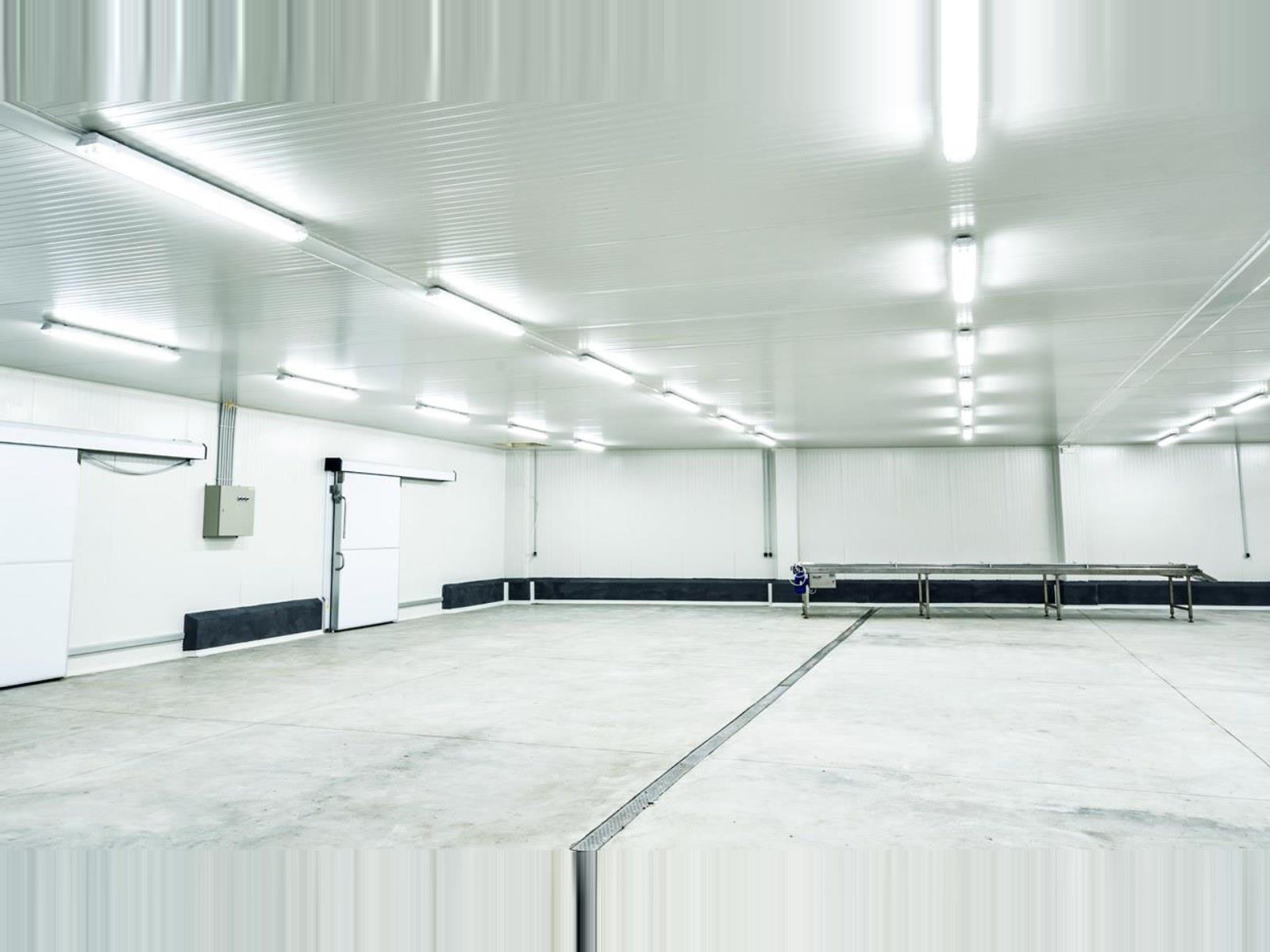
For AWT – Rijeka and Zadar, MB Frigo Grupa delivered: cold rooms (Rijeka and Zadar).
About the project: AWT – Rijeka and Zadar
In cold-chain logistics, cold rooms must withstand frequent door openings and fast turnover of goods while keeping the temperature within the prescribed range. The same solution at several locations simplifies maintenance and process standardisation.
Solution: cold rooms
Cold rooms are built for the chilled range (storing fresh goods, typically around 0 to +8 °C) or the frozen range (storing frozen goods, typically −18 °C and below). Insulated panels, cold-room doors and a refrigeration unit keep the temperature stable regardless of outdoor conditions and how often the door is opened.
What this means for designers and investors:
- Unbroken cold chain – goods stay within the prescribed temperature range.
- Made to fit the space – dimensions, doors and equipment adapted to the building.
- Energy efficiency – quality insulation and a correctly sized refrigeration unit.
- Service and maintenance – support from MB Frigo Grupa after commissioning.
Why MB Frigo Grupa
Since 1981, MB Frigo Grupa has designed, manufactured and installed refrigeration equipment – from cold rooms and refrigeration units to custom systems – and provides service and maintenance. Its own Arctic Line programme is developed and manufactured in Croatia, which means shorter lead times and easier support.
Frequently asked questions
How do you maintain temperature in cold rooms with frequent door openings?
Fast cold-room doors, PVC strip curtains, an anteroom in front of the cold room, and a refrigeration unit and defrosting sized for the higher load all help. This keeps the temperature stable even with frequent loading and unloading.
What is the difference between a chilled and a frozen cold room?
A chilled room stores fresh goods above zero, a frozen room stores frozen goods, typically at −18 °C and below. They differ in insulation, doors and refrigeration unit.

